



Tides of Sound Along the English Channel
From Brighton basements where the ceiling seems close enough to touch, to maritime halls further west along the Dorset coast, South Coast jazz has always thrived on proximity. The rooms may be modest, but the listening is concentrated. A brushed cymbal, a breath before a saxophone phrase, or the slight shift of a bass line can travel directly from performer to audience, without the distance that larger concert settings sometimes impose.
London remains an essential creative engine, with its remarkable concentration of musicians, promoters, record shops, clubs, and specialist audiences. Yet that concentration also brings high overheads, intense competition for dates, and the pressure to make every performance count immediately. Seaside independents offer a different rhythm. Their programmes can allow artists to stay for several nights, meet local listeners, and develop a following that is built through recognition rather than metropolitan momentum.
That difference makes the South Coast more than a string of pleasant stopovers. From Hampshire and Sussex to the Dorset shoreline, independent venues form a practical ecosystem for creative incubation and viable touring. They provide rooms in which musicians can test new ideas, audiences willing to listen closely, and regional links that turn isolated engagements into a sustainable circuit. The result is a cultural coastline that helps keep British jazz moving.
The Economics of Coastal Creative Residencies
A multi-night booking can change the financial character of a tour. One performance in one town may barely cover travel, accommodation, equipment, and preparation. Several connected nights allow an ensemble to spread those costs, reduce idle travel, and establish a more dependable income pattern. For musicians working without the security of a permanent institutional salary, that predictability is not a luxury. It can determine whether a project is possible at all.
Residencies also give artists something that a single-night dash rarely provides: time. A band can rehearse in the afternoon, perform in the evening, and adjust the material after hearing how it behaves in the room. Community workshops, student sessions, informal talks, and post-concert conversations can sit alongside the main performance. This deeper engagement is reflected in established residency models such as Jazz Road Creative Residencies, which support artistic development, community activity, professional growth, and reasonable fees, travel, lodging, and promotion.
The South Coast does not need to copy an American grant programme to learn from its principles. Regional venues, colleges such as SCFA | College of Fine Arts, councils, festivals, and independent promoters can create comparable support by sharing responsibility. A small hall may not be able to finance an entire project, but it can contribute a rehearsal room, local publicity, a guaranteed fee, or access to a community partner. A neighbouring venue can then offer the next date, reducing the pressure placed on any single presenter.
- Predictable earnings: Multi-night engagements make it easier to budget fees, accommodation, and transport.
- Reduced fatigue: Fewer long journeys protect musicians from the physical strain of constant single-night touring.
- Creative development: Repeated performances give artists time to refine arrangements and experiment safely.
- Community value: Workshops and conversations extend the benefit beyond the ticketed concert.
Institutional schemes often bring formal evaluation, reporting, and grant structures, while coastal networks tend to work through relationships and local knowledge. Both models matter. The strongest regional infrastructure connects professional standards with the flexibility of independent programming, ensuring that artists are paid fairly while audiences receive encounters that feel specific to their town rather than imported from elsewhere.
Preserving Regional Heritage and Grassroots Crowds
Coastal music cultures are shaped by more than geography. Maritime towns carry histories of fishing, shipbuilding, migration, seasonal work, trade, and movement between ports. Those histories often survive through spoken recollection as much as through official archives. A jazz evening in a harbour town may therefore sit within a wider culture of storytelling, where local identity is expressed through conversation, repertoire, venue customs, and the shared memory of generations of performers.
Projects that preserve oral history demonstrate why these connections matter. The Dorset History Centre audio collections document spoken accounts and local histories, offering a useful reminder that culture is not preserved only in buildings or printed programmes. Recorded voices can reveal how communities understood their work, celebrations, neighbourhoods, and changing landscapes. For music venues, that approach encourages careful documentation of local artists, promoters, audiences, and distinctive rooms before their stories disappear.
Grassroots jazz audiences are often more durable than the visitor economy suggests. A seaside venue may attract tourists during a festival weekend, but its long-term strength comes from residents who return throughout the year. Multi-generational attendance is especially valuable. Older listeners bring knowledge of earlier local scenes, younger listeners bring curiosity and new listening habits, and the venue becomes a meeting point rather than a specialist enclave.
- Collect oral histories from musicians, volunteers, promoters, and long-standing audience members.
- Preserve posters, programmes, photographs, recordings, and venue ephemera with clear dates and permissions.
- Programme established artists alongside emerging local players so audiences can follow a developing scene.
- Use talks, listening sessions, and community events to connect jazz with broader coastal history.
The format can be wonderfully local. In Poole Harbour, a 1938 vintage motor yacht has been used for a Gin and Jazz experience featuring live performers while guests travel past landmarks including Brownsea Castle and Sandbanks. Such an event is not a substitute for a year-round venue, but it shows how place can become part of the musical experience. When programming responds to its surroundings, regional jazz feels rooted rather than transplanted.
Sustainable Transit and Regional Circuit Touring
Touring along the South Coast requires practical thinking about distance, equipment, accommodation, and the time musicians need to recover. A linked regional circuit can make better use of existing rail corridors and reduce the number of isolated journeys. It also allows audiences in different towns to share responsibility for bringing an artist to the region, rather than asking one venue to absorb every cost.
The model has already been tested elsewhere. The Glasshouse International Centre for Music, Manchester Jazz Festival, and the Netherlands” Music Meeting Festival collaborated on train-based jazz tours in 2024, featuring SARĀB and Daniel Erdmann”s Thérapie de Couple. The initiative was supported by the European Jazz Network”s Green Pilot Tour Fund, which connected environmental aims with fair remuneration, inclusion, and gender balance. Its importance lies not in presenting rail travel as a simple solution, but in collecting practical information that other artists and venues can use.
For South Coast presenters, collaboration could include shared marketing, coordinated ticketing, common hospitality arrangements, and guarantees agreed before the tour begins. Venues do not need identical programming to cooperate. A listening room in Brighton, a community arts centre in Portsmouth, a hall in Southampton, and a Dorset presenter can each offer a distinct audience while contributing to a coherent route. Promoters can also reduce waste through digital tickets, local suppliers, reusable hospitality materials, and clear public transport information.
| Measure | Regional circuit | London-only appearances |
|---|---|---|
| Income reliability | Several connected guarantees can spread risk across presenters. | Potentially strong demand, but intense competition and higher operating costs. |
| Rest and preparation | Longer stays can reduce repeated packing, travel, and late returns. | Short gaps between dates may encourage compressed schedules. |
| Audience development | Local repeat attendance can build a durable following over several visits. | Large specialist audiences offer visibility, but individual listeners may have less continuity. |
| Promotion | Costs can be shared across venues and regional partners. | Marketing may be concentrated around a crowded metropolitan calendar. |
| Environmental planning | Rail-linked routes and clustered dates can reduce unnecessary mileage. | Frequent local transfers and equipment movements still require careful planning. |
This comparison is not an argument against London. The capital remains crucial for premieres, media attention, recording links, and artist discovery. The point is that a London appearance often becomes more valuable when it sits within a wider route. A band that can move from a capital launch into well-organised coastal dates has a better chance of turning visibility into sustained employment and meaningful audience relationships.
Incubation Spaces Shaping Tomorrow’s Improvisation
Regional stages offer musicians a valuable degree of freedom. Away from the concentrated expectations of the capital, a bandleader can present an unfinished arrangement, extend an improvisation, or place a new composition beside more familiar material. The audience may still be discerning, but the relationship is often less transactional. Listeners understand that they are witnessing a work in progress, and artists can respond to the room rather than performing only the safest version of a set.
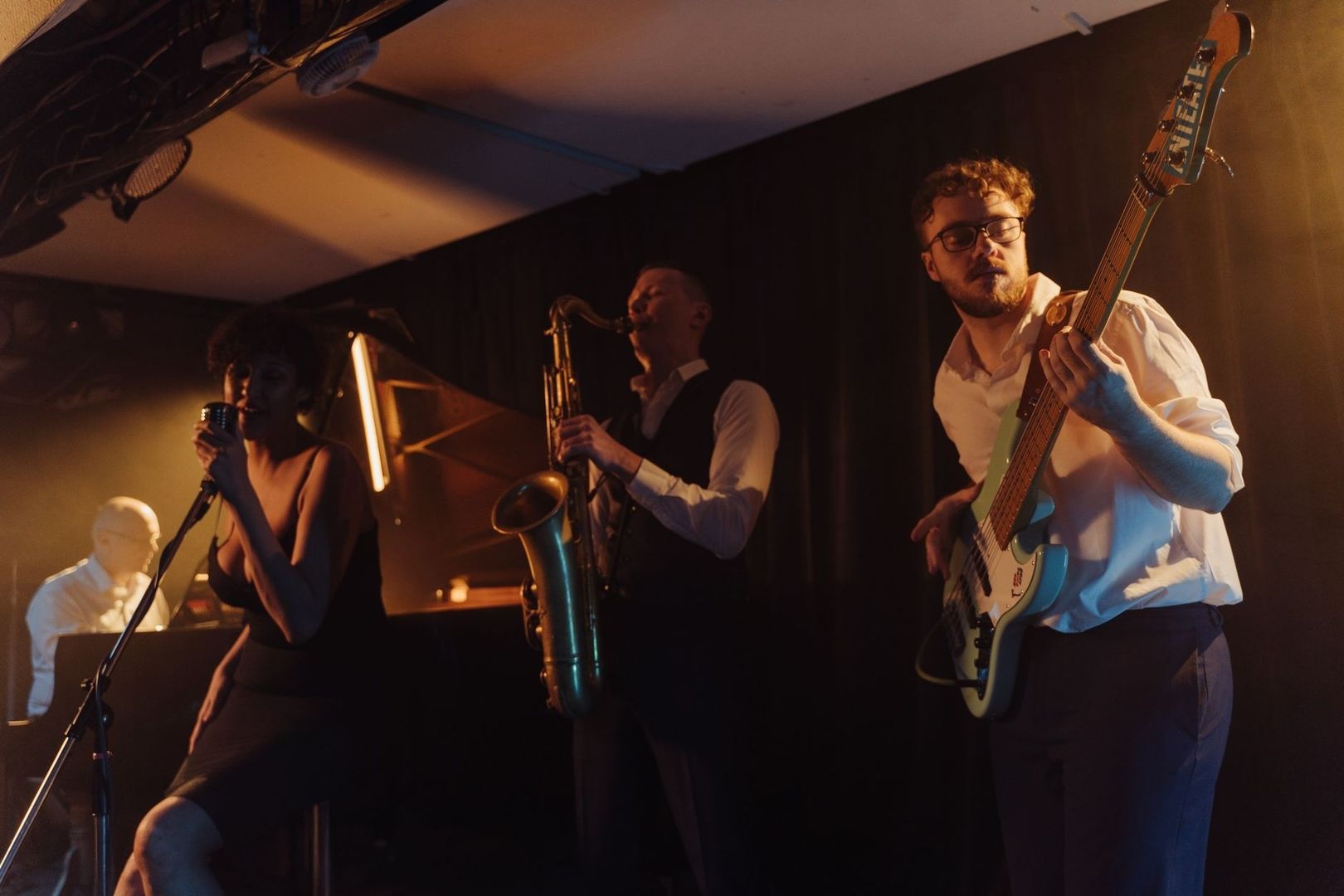
Intimate coastal listening rooms are particularly well suited to this work. In a smaller space, acoustic detail becomes part of the conversation. A muted trumpet can retain its grain, a double bass can remain articulate, and the drummer can shape dynamics without relying solely on amplification. Audience proximity also changes the performance energy. Attention becomes visible, silence gains weight, and a daring passage can land with unusual clarity.
Independent venues seeking stronger cross-regional ties can begin with a practical framework. The aim is not to build a large bureaucracy, but to make cooperation dependable enough that artists and audiences can trust it.
- Map complementary venues: Identify rooms with compatible capacities, equipment, dates, accessibility, and musical interests.
- Agree artist-first terms: Discuss guarantees, accommodation, travel, cancellation arrangements, and hospitality before announcing the route.
- Share useful production information: Maintain accurate technical specifications so touring parties do not face avoidable surprises.
- Coordinate promotion: Exchange approved images, biographies, short videos, and audience data while allowing each venue to speak in its own local voice.
- Add meaningful engagement: Consider workshops, school visits, masterclasses, or conversations that suit the artist rather than treating outreach as an afterthought.
- Review the route: After the tour, assess attendance, costs, audience development, travel time, and artist experience before planning the next collaboration.
These steps can turn isolated goodwill into a working circuit. They also help venues resist the temptation to measure success only through one sold-out night. A new listener who returns three months later, a student who begins attending regularly, or an artist who can complete a more ambitious project may represent the deeper value of regional programming.
Sustaining the Coastline Pulse of British Jazz
British jazz needs both the creative density of London and the breathing space of the coast. The capital can generate collaborations, premieres, and professional visibility, while independent South Coast venues provide time, continuity, and close audience contact. Their relationship is symbiotic rather than competitive. A healthy national scene depends on movement between these environments, with artists able to develop work in smaller rooms and carry it into larger circuits when it is ready.
Audiences, funders, councils, and arts organisations can support that future through deliberate choices: attending regular local shows, buying tickets early, travelling by public transport where practical, recommending venues to new listeners, and recognising fair artist fees as essential cultural infrastructure. The reward is immediate and lasting. On a clear evening beside the Channel, with a salt breeze outside and an improvisation unfolding inside, the South Coast offers more than a night out. It offers a living part of British jazz’s journey.